Seven Lakes Route in spring: stops, times and tips for driving
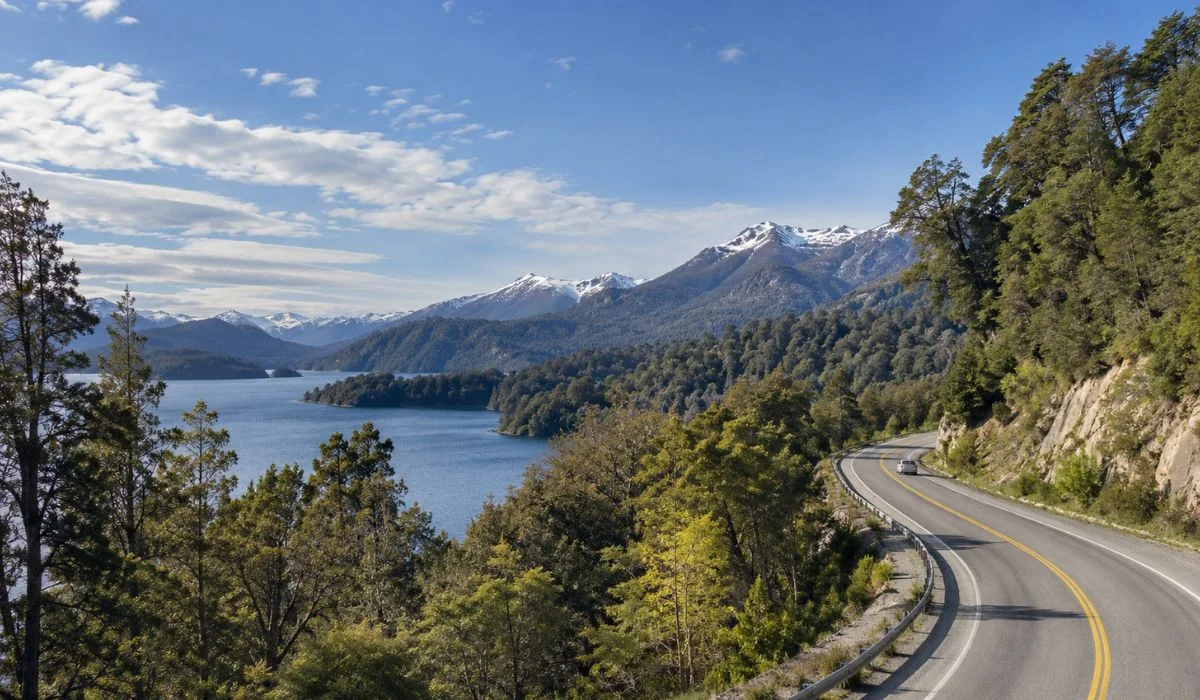
There are routes that serve to reach a place and routes that are the journey itself. The Seven Lakes route belongs, without question, to the second group. In spring, the forest begins to recover its colors, the days invite you to step out of the car and every lookout point seems like a good excuse to stay five more minutes. Then another lake appears and those five minutes turn into half an hour. At Rentennials we have your ideal car to enjoy the Seven Lakes road in spring.

Seven Lakes Route: the essentials before you go
The Seven Lakes Road is a scenic stretch of National Route 40, in Neuquén, between Villa La Angostura and San Martín de los Andes. Travel guides typically describe it as a roughly 110-kilometer route between both towns. It passes through landscapes connected to Nahuel Huapi and Lanín national parks; the main road is paved. You can drive it from south to north or the other way around.
If you start in Bariloche, add the leg to Villa La Angostura: it is not part of the classic Seven Lakes stretch. Bariloche Tourism calculates approximately 184 kilometers between Bariloche and San Martín de los Andes along this road. Understanding that difference helps avoid one of the most common mistakes when planning the day: assuming you will only drive 110 kilometers when you still need to reach the starting point and, perhaps, return.
The seven lakes listed by National Tourism for the main route are Correntoso, Espejo, Escondido, Villarino, Falkner, Machónico and Lácar. Lago Hermoso requires a detour, and it is worth checking access conditions before setting out.
How long does it take to travel the Seven Lakes?
To travel from one town to another without long breaks, you absolutely need a vehicle, and at Rentennials we offer a great variety depending on whether you make the trip as a couple or as a family. Keep in mind that you should plan for at least two hours of driving, subject to traffic and conditions. If you want to do the route as a leisurely trip, the calculation changes: set aside between five and eight hours if you want to stop at viewpoints, take short walks, and have lunch without rushing. This is a planning guideline, not a fixed travel time.
If you leave and return to Bariloche in one day, the outing gets quite long. The tourism office of that city reports approximately 370 kilometers for the round trip along the same road, and estimates 10 to 11 hours for a booked excursion. By your own car you may take longer, precisely because you choose how long to stay at each stop. With kids or if you want to go hiking, our recommendation is to spend one night in Villa La Angostura or San Martín de los Andes.
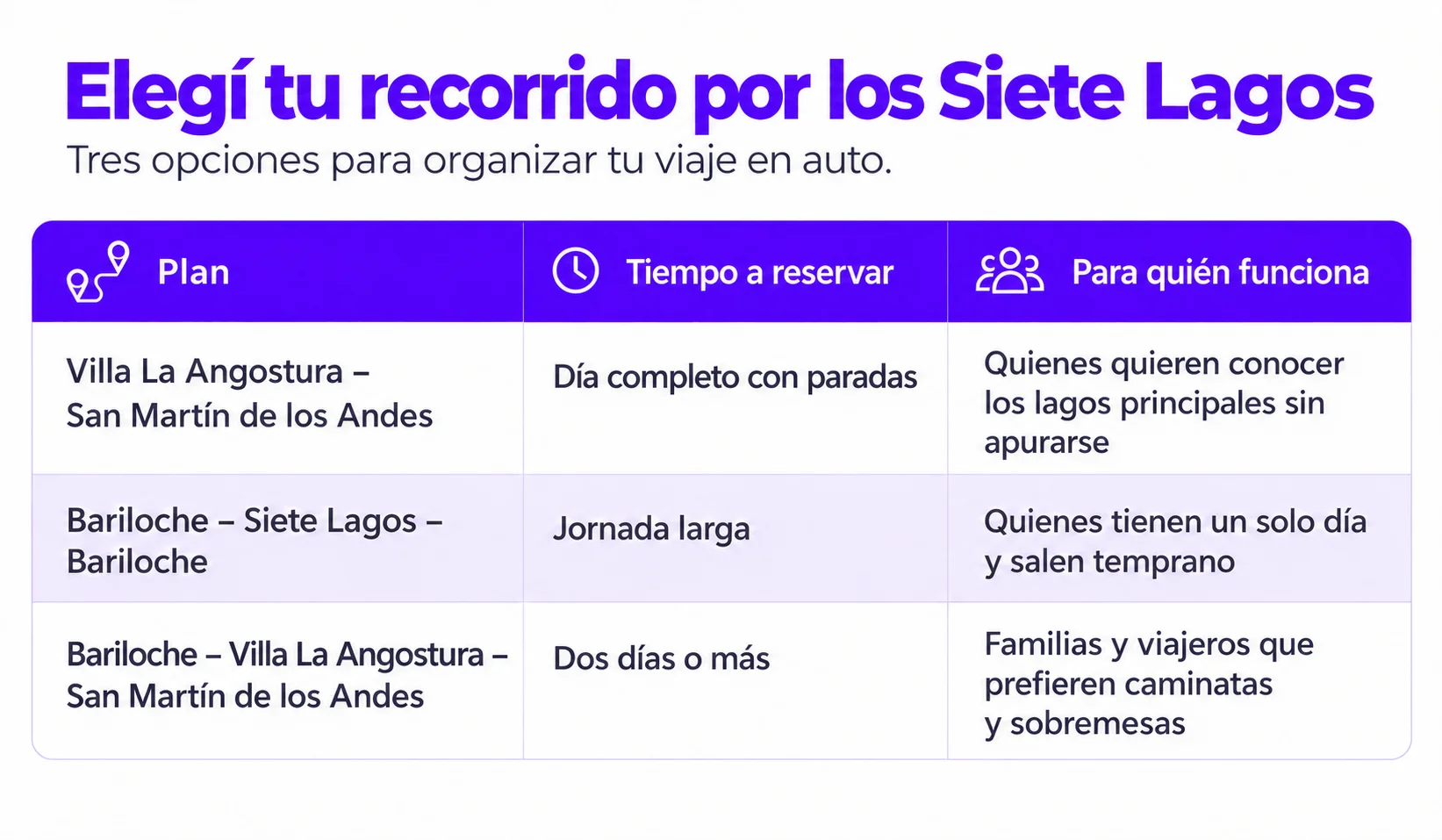
Times are approximate. Before heading out, check the forecast, the condition of RN 40, and the available daylight hours for that day.
The stops that best tell the story of the route
You can start from either end. We'll describe the route from Villa La Angostura to San Martín de los Andes, which is practical if you fly into Bariloche and rent a car there.
Lago Correntoso: starting off slowly
Before thinking about everything still ahead, spend a little time in the Correntoso area. The landscape already gives you a taste of what you'll find next: clear water, forest, and mountains that shift with the light. It's a great first stop to set the group's pace, take photos, and decide how much time to spend at each place.
Lago Espejo: a postcard that asks you to step out of the car
The name does it justice when the water is still. Find an authorized parking area and walk a few minutes to take in the reflection from a different perspective. In spring the weather can change quickly: an overcast sky won't ruin the stop, though it is worth bringing a waterproof layer.
Lago Escondido and Pichi Traful Area
Here the journey becomes more about forest than sweeping panoramas. Lake Escondido peeks through the trees and the surroundings invite you to slow down. If you're tempted to take a side road toward other lakes or toward Villa Traful, treat that idea as a separate trip: check road conditions and your vehicle's readiness before adding detours.
Villarino and Falkner Lakes: the place to stay for a while
Villarino and Falkner appear very close to each other and are among the most memorable landscapes along the route. If the weather cooperates, this is a great spot for a long break: walk, take in the water, and pull out the thermos. The idea is to respect the designated areas and take your waste with you.
Don't assume that a campsite or a service by the lake will be open in spring. Campsites with services in the area tend to concentrate their activity in summer; confirm hours and availability if you plan to spend the night or need to eat there.
Lake Machónico: one last breath before arriving
Lake Lácar and San Martín de los Andes: getting there is also part of the journey
The arrival in San Martín de los Andes, beside Lake Lácar, deserves an afternoon of its own. You can walk along the waterfront, sit down for a meal, and only then decide whether to head back or stay the night. That unhurried ending tends to be more enjoyable than jumping straight into the car to retrace the entire route.
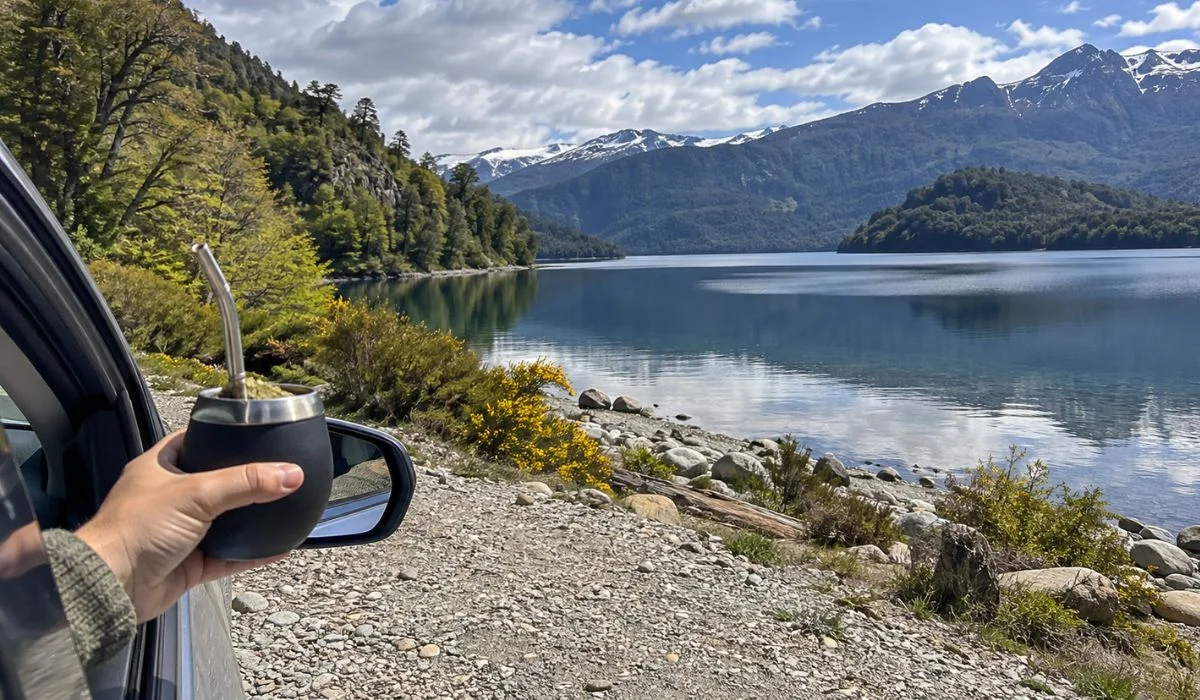
Is it worth doing the route in spring?
Yes, especially if you want to combine driving, scenery and outdoor stops. But spring does not mean stable weather in Patagonia. In October there can be cold mornings, rain, wind and sudden changes in visibility. In some mountain areas, conditions typical of the transition from winter may still occur.
The most useful approach is to plan with flexibility. If you have two days available, save the one with the best forecast for the route and leave the other to explore Bariloche, Villa La Angostura or San Martín. If you only have one, accept that you may need to shorten the trip. Vialidad Nacional recommends checking road conditions before setting out; do it on the same day, even if the day before was clear.
Tips for Driving Through the Seven Lakes
Leave early, but well-rested. The idea is to make the most of the light without turning the drive into a race. Plan for a lunch break and an extra buffer in case you find a viewpoint where you want to linger.
Check the vehicle before you set off. Fuel, tires, lights, and documents must all be in order. Download offline maps and let someone know the route you plan to take. In the forested stretches, cell coverage can be patchy.
Stop only in safe spots. Don't make sudden maneuvers for a photo and don't block access points, narrow shoulders, or other vehicles' exits. If you've passed a viewpoint, keep going until you find a safe place to turn around.
Think about your booking conditions. The main RN 40 is paved, but some side roads may be gravel. If you're renting, check which routes the car is allowed on and what your rental agreement covers before taking a detour. The right size depends on your group and luggage; there's no need to choose a larger vehicle just because you're driving the Seven Lakes route.
A simple two-day itinerary from Bariloche
Day 1: Bariloche - Villa La Angostura - nearby lakes. Pick up the car, drive to the village and spend the afternoon at Correntoso and Espejo. Stay overnight in Villa La Angostura. This way you start the route without having spent all your energy on transfers.
Day 2: Villa La Angostura - Seven Lakes - San Martín de los Andes. Leave early, choose three or four key stops and have lunch without watching the clock. Upon arrival, enjoy the Lácar waterfront. If you need to return to Bariloche that same day, keep in mind it will be a long day; if you can, spend a second night in San Martín and head back the following day.
To find a vehicle for this trip, visit Rentennials, select your dates and compare the available options at your departure point. Check where each car is picked up and returned, its capacity and the driving conditions. Once that is sorted, the best part of the plan goes back to being the simplest: choosing a direction, putting on some music and leaving time to stop.
Renting a car with Rentennials is the first step to start exploring each of the destinations. After that, all that remains is to make the most of every moment. No matter how many days your getaway lasts, every place will give you exactly what you are looking for.
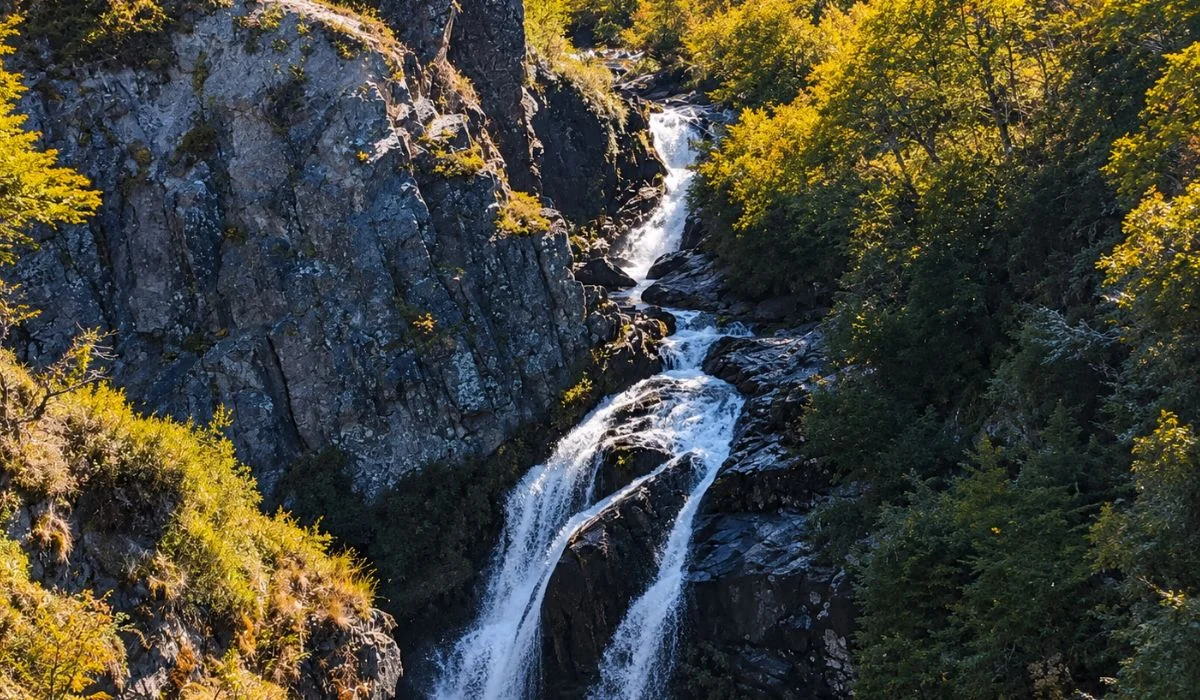
Frequently Asked Questions About the Seven Lakes Route
Where does the Seven Lakes Route start and end?
The classic route connects Villa La Angostura and San Martín de los Andes along RN 40, in Neuquén. It can be done in both directions. Bariloche is a frequent entry point, although it lies outside the classic stretch.
How many kilometers does it have?
Travel guides usually mention about 110 kilometers between Villa La Angostura and San Martín de los Andes. The final distance changes if you start in Bariloche, visit lakes via detours, or return by another route.
Can it be done in one day?
Yes. Reserve the entire day to enjoy the stops. If you're going and coming back from Bariloche, leave early and assess whether the group is comfortable with a long day. With an overnight stay in between, you can travel much more comfortably.
Is a pickup truck or 4x4 necessary?
For the main paved route, a 4x4 is not required just because you're doing Siete Lagos. Weather conditions and detours can change what is appropriate. Before traveling, check the road conditions and the usage terms of the vehicle you rent.