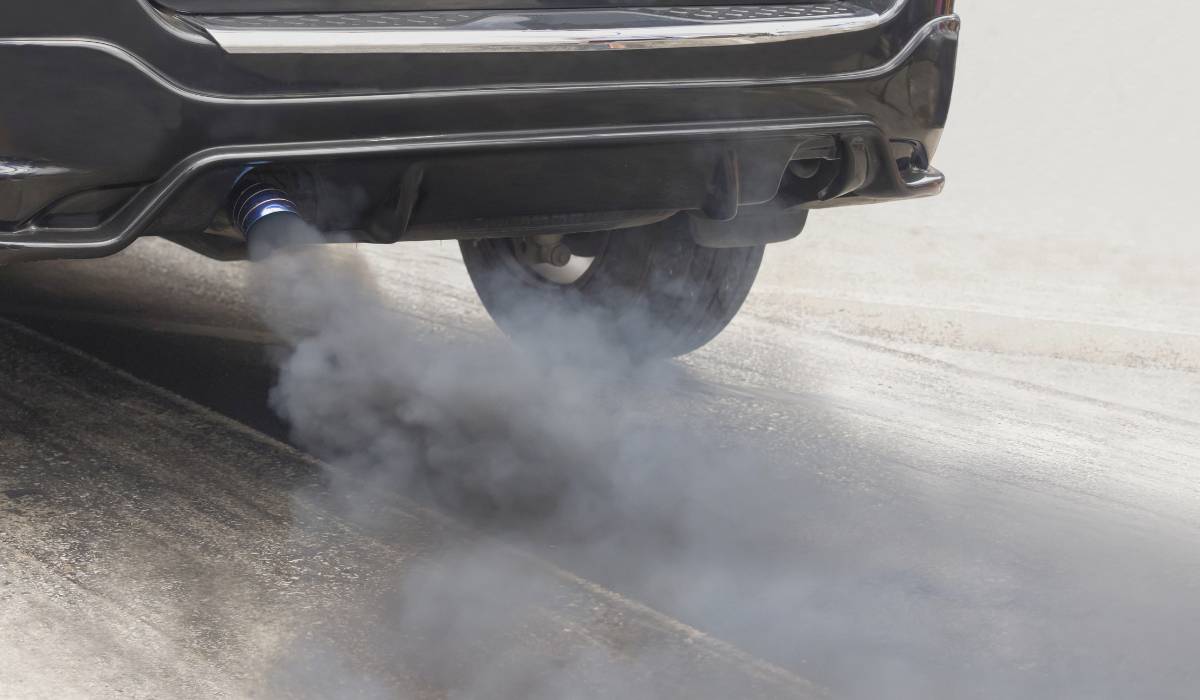
Mobility is an essential part of our daily lives, whether it's commuting to work, taking a weekend getaway, or exploring a new city on vacation. However, we know that traditional transportation has a direct impact on the environment.
By choosing Rentennials, you're already taking a big step toward sustainability: you're helping optimize the use of vehicles that already exist in your city, preventing them from spending 90% of their useful life parked. But, did you know that the way you drive that rental car can also make an enormous difference?
Today we bring you a practical guide to make your trips more planet-friendly. We explain what a carbon footprint is and give you 8 efficient driving tips to save fuel and take care of the environment.
8 ways to reduce your carbon footprint while driving
What exactly is the carbon footprint?
Simply put, the carbon footprint is the trail of greenhouse gases (GHG) we leave in the atmosphere through our daily activities. From charging our phone to, of course, driving a combustion engine car.
Understanding this impact is the first step toward taking action. It's not about stopping traveling, but about traveling more smartly. Efficient driving not only reduces CO2 emissions, but is also safer and helps you spend less money on fuel during your rental.
Whether you've rented a compact car for the city or a family vehicle for the road, apply these tips on your next trip with Rentennials:
1. Travel light and avoid overloading the car
It's simple physics: the more weight, the more effort from the engine and the higher the fuel consumption. It's estimated that for every extra 100 kg, consumption increases by 7%. Pack in the trunk only what you truly need for your trip. Also, if the car you rented has a roof rack or cargo carrier and you're not going to use them, the ideal is to remove them (always check with the host) to avoid adding extra weight and wind resistance.
2. Be strategic with climate control
Both air conditioning and heating demand extra energy from the engine. If the weather is pleasant, take advantage and enjoy the ride without turning them on. If it's very hot on the road, air conditioning is the best option, but try to keep it at a moderate temperature (around 22°C).
3. Check tire pressure
This is a golden tip for both our Users and Rentennials Hosts. Underinflated tires increase friction with the road, forcing the car to consume more fuel to move forward. Make sure the pressure matches the manufacturer's recommendation; you'll gain in safety and reduce your environmental impact.
4. Maintain a steady speed
A "sporty" driving style, with sudden acceleration and constant braking, is the worst enemy of efficiency. Try to maintain a steady cruising speed. Anticipate traffic: if you see a red light ahead, ease off the accelerator and let the car slow down by inertia instead of braking hard at the last moment.
5. Mind the aerodynamics (watch out for open windows)
When driving in the city at low speeds, rolling down the windows is an excellent alternative to air conditioning. However, if you hit the highway and exceed 80 km/h, having the windows open creates significant aerodynamic drag (the parachute effect). The car will have to work harder to move forward, sending fuel consumption soaring. On the highway, windows up.
6. Plan your route before you set off
Getting lost or taking unnecessary detours not only causes stress, but also avoidable CO2 emissions. Before you pull away, use your phone's GPS to map out the most direct route and avoid the most congested areas. Less time with the engine running equals a smaller carbon footprint.
7. The power of good maintenance (A message for our Hosts)
An engine that isn't running well consumes more. If you're a Host on Rentennials, keeping your car up to date with oil changes, clean filters, and spark plugs in good condition is essential. A well-maintained vehicle means energy efficiency, happier customers, and better reviews on the platform.
8. Turn off the engine during long stops
If you're waiting for someone, stuck in a completely stationary traffic jam, or stopped to take in a view for several minutes, turn off the engine. The old myth that starting the car uses more than leaving it idling is false in modern vehicles. If you're going to be stopped for more than a minute, turning off the engine is the most eco-friendly option.
Sustainability beyond the steering wheel
Efficiency doesn't end when you hand over the car keys. You can complement these driving habits with small daily actions:
- Always keep your reusable tote bags in the trunk for when you stop at the supermarket.
- Support the local economy by buying «zero-kilometer» products during your trips; since they require less transportation, their carbon footprint is much lower.
- Optimize energy and water consumption at the accommodations you visit.
Move smart, move with Rentennials
Reducing our carbon footprint is a team effort. By adopting these simple efficient driving habits, you're taking care of everyone's air quality.
At Rentennials we believe in a future where mobility is smart, shared, and sustainable. Do you need a car for your next adventure? Find the ideal vehicle on our platform and put these tips into practice. Do you have a car sitting parked collecting dust? Become a Host, add it to our community and help us make the most of our city's resources.